The people closest to the work should lead its transformation
Lasting change happens when the people doing the work understand the tools and own the outcomes.
What we believe
- 01Behind every AI agent, there should be an expert in the driver’s seat.
- 02The gap between excitement and adoption is the real problem — not the technology.
- 03Start with the people.
- 04Automation should build capability, not dependency.
- 05Human connection will matter more than ever.
How we work
Diagnose
We listen to your teams, map their actual workflows, and identify where time and energy are being lost.
Build
We design solutions with your people, not for them. Hands-on training, real projects, real results.
Coach
Ongoing support to build confidence, troubleshoot, and keep momentum as new habits form.
Scale
Your team becomes the engine. They train others, identify new opportunities, and drive ROI independently.
Don't take our word for it.
“Speaker management used to take me 40 hours a month. It takes 4 now.”
Elise O’Brien
Event Producer, Future Media Concepts
“I used to update pricing files at 6am every Sunday. That’s fully automated now.”
Ernie
Owner, Studio 5x5
“We ran client onboarding on spreadsheets for years. Now it’s a single automated flow that handles everything.”
Alex
Owner, Cruisers Academy
“As a creative agency, I didn’t think automation was for us. Turns out it’s what freed us up to actually be creative.”
Kristine
Admin Assistant, SUMMR Creative
“I was copying form responses into ChatGPT to build schedules. Now it happens automatically the second someone submits.”
Kara
Ops Manager
“It connected the dots between different tools and use cases. I can actually see where AI supports efficiency now — that clarity wasn’t there before.”
Britta
Chief of Staff
“I am managing my for-profit business and my nonprofit business in a totally different way since taking this Boot Camp! I learned so much more than I expected, and the tools that we learned to use were super valuable. Jamie is awesome and the format works super well.”
Alex Blue
Owner, Cruisers Academy
Meet the team
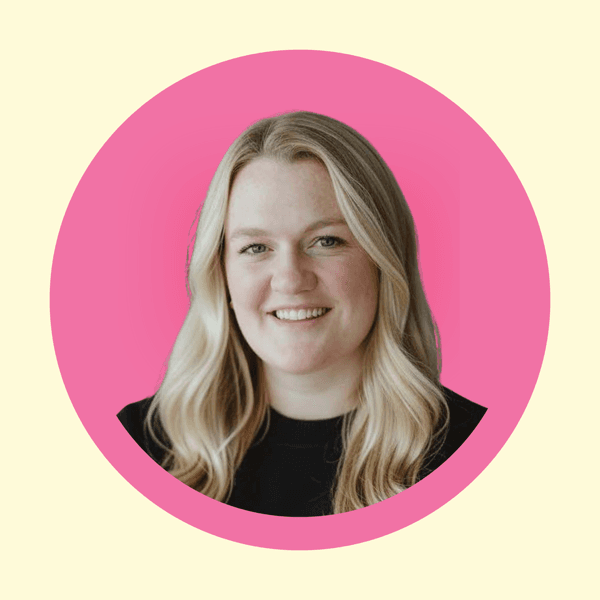
Jamie Christensen
Founder & CEO

Callie Rojewski
Chief Marketing Officer

Rebekah Wall
Chief Operating Officer

Alex Rigano
Business Development Associate

Robyn Casper
Office Manager
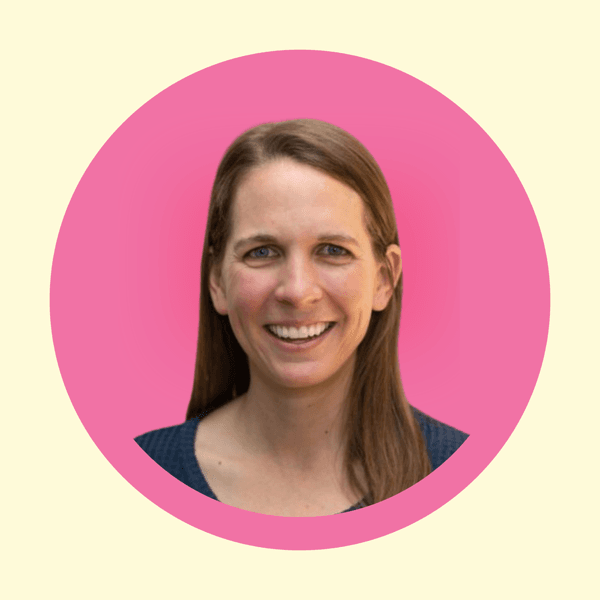
Kara Sweeney
Partner
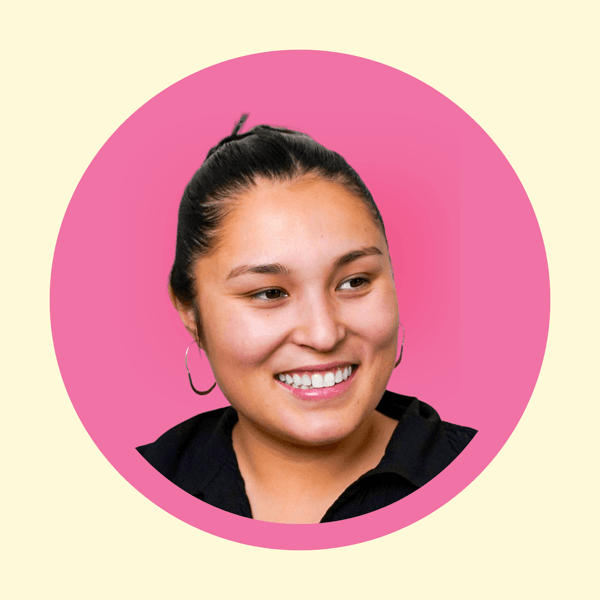
Meg Kuhn
AI Solutions Architect
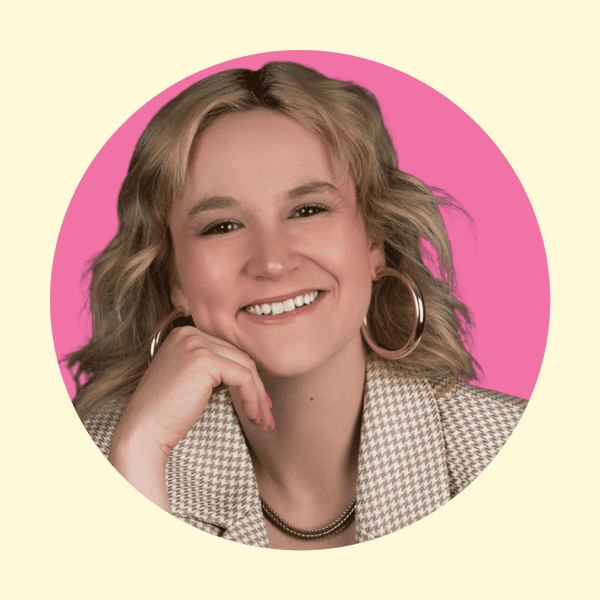
Alli Marie
Marketing & PR